
What happens when someone walks into an exhibition and doesn't see themselves anywhere in it? For Deaf and disabled communities that absence is the norm rather than the exception; in collections, in stories told, and in who is welcomed at the front desk. This session looks at visibility as a foundation for genuine community engagement, not an add-on to it. Drawing on of what's possible when communities are invited in as partners rather than subjects, Stace Robertson explores where, and where not, Deaf and disabled people and their histories appear in our collections and exhibitions.
Digital tools have real potential here: to widen access, to hold space for stories institutions have historically missed, and to make visibility a practice rather than a promise. This talk is a provocation to build that practice with, not for, the communities it's meant to serve.
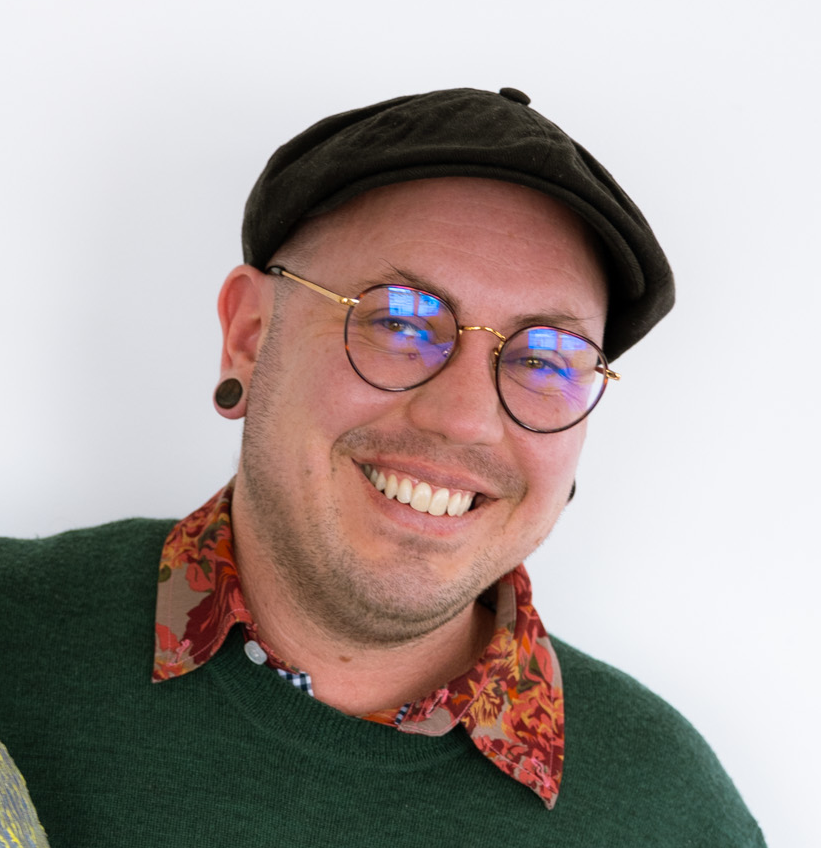
Stace Robertson (pronouns: he/him/they/them) is Lead Accessibility Advisor Kaiārahi a Toi Ōritetanga at Arts Access Aotearoa, where Stace advises the arts sector on accessibility policy, advocates for increased access, and supports inclusive practice. Stace is also the main point of contact for the Taha Hotu Deaf and Disabled Artists' initiative.
A practising artist working in ceramics, Stace holds a BMA (Hons) in painting and sculpture from Wintec. With a background spanning intersectional advocacy, community development and governance roles, Stace has strong connections across disability communities and brings that experience to supporting access and equity across a range of settings.